
The kitchen has long been considered the heart of the home, but in cottage-style residences, it often serves an even greater role. Cottage homes are known for their warmth, charm, practicality, and human-scaled living spaces. Unlike oversized houses where rooms can feel disconnected, cottage homes are intentionally designed to encourage comfort, gathering, and efficient use of space. As a result, kitchen design plays a crucial role in shaping both the functionality and beauty of these homes.
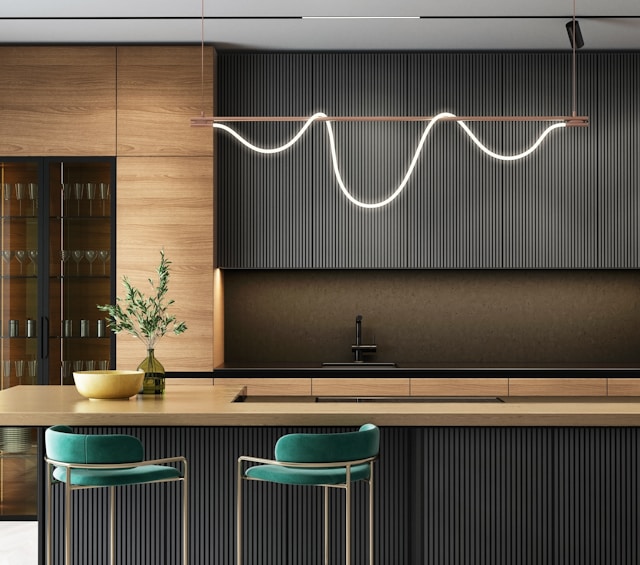
Over the years, kitchen design has evolved significantly. Homeowners today seek spaces that blend timeless aesthetics with modern convenience. The most successful cottage kitchens achieve this balance by embracing traditional architectural character while incorporating innovations that support contemporary lifestyles. From thoughtful storage solutions to natural materials and multifunctional layouts, current kitchen design trends are helping cottage homes become more practical, welcoming, and visually appealing than ever before.
Understanding the Cottage Home Kitchen Philosophy
Before exploring specific trends, it is important to understand what distinguishes a cottage kitchen from other styles.
Cottage homes are rooted in simplicity and livability. Historically, cottages were modest dwellings designed to maximize comfort within a limited footprint. Their kitchens reflected this philosophy through efficient layouts, practical storage, and inviting atmospheres.
Today’s cottage kitchens continue to embody these principles while adapting to modern needs. Rather than focusing solely on size, they prioritize:
- Functionality
- Comfort
- Craftsmanship
- Natural beauty
- Efficient use of space
- Social connection
The goal is to create a room that feels both highly usable and deeply personal.
The Rise of Warm, Natural Materials
One of the most influential kitchen design trends in cottage homes is the increased use of natural materials.
Wood as a Defining Feature
Wood remains a cornerstone of cottage-style design. Whether incorporated through cabinetry, ceiling beams, flooring, or shelving, wood brings warmth and authenticity to the space.
Popular choices include:
- White oak
- Maple
- Walnut
- Reclaimed timber
- Pine
Many homeowners are moving away from heavily painted kitchens in favor of stained wood finishes that showcase natural grain patterns and craftsmanship.
Stone Countertops with Character
Natural stone surfaces continue to gain popularity in cottage kitchens.
Options include:
- Marble
- Quartzite
- Soapstone
- Honed granite
Rather than seeking perfectly uniform appearances, many homeowners embrace stones that display unique veining and subtle imperfections. These details contribute to the lived-in charm associated with cottage living.
Open Shelving with Purpose
Open shelving has become a defining trend in many cottage-inspired kitchens.
Unlike traditional upper cabinets that can make small spaces feel enclosed, open shelves create visual openness while allowing homeowners to display meaningful items.
Common displays include:
- Handmade pottery
- Vintage dishes
- Glass jars
- Cookbooks
- Family heirlooms
When thoughtfully organized, open shelving adds both functionality and personality.
However, successful implementation requires balance. Many homeowners combine open shelving with concealed storage to maintain a clean and uncluttered appearance.
Multifunctional Kitchen Islands
Kitchen islands continue to evolve beyond simple food preparation surfaces.
In cottage homes, islands often serve multiple purposes, including:
- Meal preparation
- Casual dining
- Entertaining
- Homework stations
- Storage
- Remote workspaces
Because cottage homes emphasize efficient living, every square foot should contribute to daily life.
Modern island designs often include:
- Built-in drawers
- Pull-out shelves
- Hidden waste bins
- Charging stations
- Seating areas
These features help maximize functionality without sacrificing aesthetic appeal.
The Return of Classic Cabinetry Styles
While minimalist cabinetry remains popular in some contemporary homes, cottage kitchens increasingly embrace traditional cabinet designs.
Shaker Cabinets
Shaker-style cabinets remain a favorite due to their clean lines and timeless versatility.
Their simple construction complements both rustic and refined cottage interiors.
Beadboard Details
Beadboard cabinetry introduces texture and visual interest while reinforcing cottage character.
Homeowners often incorporate beadboard on:
- Island panels
- Cabinet doors
- Backsplashes
- Pantry doors
These subtle details contribute to a handcrafted appearance that aligns with cottage traditions.
Smart Storage for Smaller Spaces
One of the defining characteristics of cottage homes is efficient space planning.
Modern kitchen design trends increasingly focus on maximizing storage while preserving openness.
Hidden Storage Solutions
Innovative storage options include:
- Pull-out spice racks
- Appliance garages
- Deep drawer organizers
- Corner cabinet systems
- Vertical tray storage
These features help eliminate clutter and improve accessibility.
Walk-In Pantries and Butler’s Pantries
Even relatively compact cottage homes may incorporate thoughtfully designed pantry spaces.
Modern pantries provide:
- Food storage
- Small appliance storage
- Additional preparation areas
- Organizational flexibility
By relocating less frequently used items, homeowners can maintain cleaner and more functional kitchen environments.
Soft and Inviting Color Palettes
Color plays a significant role in defining cottage kitchen aesthetics.
Current trends favor warm, welcoming palettes over stark contrasts.
Popular colors include:
- Cream
- Soft white
- Sage green
- Dusty blue
- Warm gray
- Taupe
- Muted terracotta
These hues create relaxed environments that feel timeless rather than trend-driven.
Many designers use layered neutrals to establish a calm backdrop while allowing natural materials to become focal points.
Statement Lighting with Character
Lighting serves both practical and decorative purposes in cottage kitchens.
Modern trends emphasize fixtures that provide personality and warmth.
Popular options include:
Lantern Pendants
Lantern-style fixtures evoke traditional craftsmanship and complement cottage architecture.
Vintage-Inspired Lighting
Many homeowners choose fixtures that reference historical designs while incorporating modern technology.
Examples include:
- Schoolhouse pendants
- Brass sconces
- Farmhouse chandeliers
Layered Lighting
Effective kitchen design typically includes multiple lighting sources.
These may include:
- Task lighting
- Ambient lighting
- Accent lighting
- Under-cabinet lighting
Layered illumination improves functionality while enhancing atmosphere.
Integrated Dining Spaces
Cottage homes often emphasize gathering and connection.
As a result, kitchen design increasingly incorporates dining areas that encourage interaction.
Breakfast Nooks
Built-in breakfast nooks remain highly popular.
Benefits include:
- Space efficiency
- Comfortable seating
- Architectural character
- Informal dining opportunities
Window-adjacent nooks are especially desirable because they maximize natural light.
Banquette Seating
Banquettes provide flexible seating while creating a cozy atmosphere.
They often include hidden storage compartments that further improve functionality.
Sustainable Design Choices
Sustainability has become an important consideration for many homeowners.
Cottage kitchens naturally align with this movement because they emphasize quality and longevity over excess.
Popular sustainable features include:
Reclaimed Materials
Reclaimed wood and salvaged architectural elements add character while reducing environmental impact.
Energy-Efficient Appliances
Modern appliances consume less energy and water while improving performance.
Durable Finishes
Homeowners increasingly prioritize materials designed to last for decades rather than requiring frequent replacement.
This approach supports both environmental responsibility and long-term value.
Larger Windows and Natural Light
Natural light has always been central to cottage design.
Current kitchen trends emphasize maximizing daylight through:
- Larger windows
- Expanded glass doors
- Skylights
- Transom windows
Natural light provides numerous benefits:
- Improved mood
- Enhanced visual comfort
- Reduced energy consumption
- Greater connection to outdoor spaces
Bright kitchens often feel larger and more welcoming regardless of their actual square footage.
Mixing Old and New Elements
One hallmark of successful cottage kitchen design is the ability to blend traditional and contemporary features.
Rather than creating a purely historical replica, modern cottage kitchens often combine:
- Vintage-inspired cabinetry
- Modern appliances
- Traditional hardware
- Contemporary storage solutions
- Historic textures
- Current performance standards
This balance creates spaces that feel timeless rather than dated.
Personalized Details and Craftsmanship
Mass-produced kitchens are giving way to more personalized environments.
Homeowners increasingly seek opportunities to express individuality through:
- Handmade tile
- Custom range hoods
- Artisan lighting
- Unique hardware
- Locally crafted furnishings
These details create distinctive spaces that reflect personal taste while reinforcing cottage character.
Technology Without Visual Clutter
Technology remains important in modern kitchens, but many cottage homeowners prefer subtle integration.
Popular solutions include:
- Hidden charging stations
- Integrated appliances
- Concealed speakers
- Touchless faucets
- Smart lighting systems
The goal is to enjoy modern convenience without disrupting the warmth and charm of the space.
The Growing Appeal of Gathering-Centered Design
Recent years have reinforced the importance of homes as places for connection and community.
Kitchen design trends increasingly reflect this shift.
Homeowners prioritize:
- Comfortable seating
- Open sightlines
- Flexible layouts
- Spaces for entertaining
- Family interaction
These elements align naturally with the cottage philosophy of creating homes that support meaningful daily living.
Balancing Beauty and Functionality
The most successful cottage kitchens avoid choosing between aesthetics and practicality.
Instead, they recognize that beauty often emerges from thoughtful functionality.
Features such as:
- Well-organized storage
- Durable materials
- Efficient layouts
- Comfortable seating
- Natural lighting
contribute to both visual appeal and everyday usability.
When design decisions support how people actually live, kitchens become more enjoyable and enduring.
Why Cottage Kitchen Design Continues to Endure
Design trends come and go, but the principles underlying cottage kitchens remain remarkably consistent.
People continue to value:
- Comfort over excess
- Character over uniformity
- Quality over quantity
- Connection over formality
These priorities explain why cottage-inspired kitchens remain attractive across generations.
As homeowners seek spaces that feel authentic and welcoming, cottage design offers a compelling alternative to purely trend-driven interiors.
Conclusion
Kitchen design trends are constantly evolving, yet the most enduring innovations are those that enhance both functionality and beauty. In cottage homes, where efficient living and inviting atmospheres are central values, these trends play a particularly important role.
Natural materials, smart storage solutions, multifunctional layouts, sustainable features, personalized craftsmanship, and abundant natural light are helping redefine what modern cottage kitchens can be. Rather than chasing fleeting design fads, today’s homeowners increasingly embrace timeless elements that support daily life while creating warm and memorable spaces.
The result is a kitchen that serves as more than a place to cook. It becomes the heart of the cottage home—a gathering place where beauty, practicality, and comfort come together to enrich everyday living.