
Modern residential development has evolved beyond simply constructing houses within a neighborhood. Today, successful housing communities focus on balancing individual home design with well-planned community environments. Families increasingly seek homes that not only meet their personal preferences but also exist within neighborhoods that promote comfort, accessibility, and social interaction. This shift in housing priorities has led to greater interest in thoughtful community planning and personalized home layouts that enhance both individual and collective living experiences. This vision reflects the idea of Cozy Homes + Connected Community where thoughtfully designed houses provide comfortable living spaces while encouraging stronger relationships and interaction among neighbors.
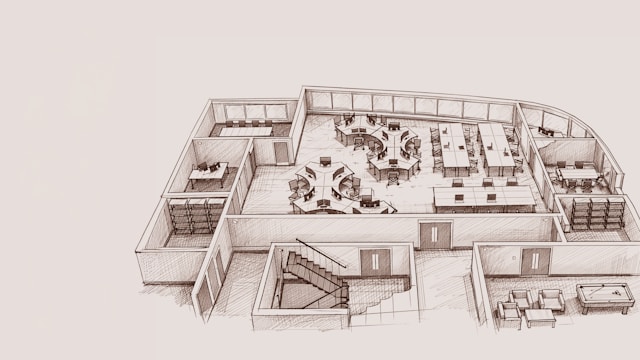
The concept behind Community Design and Custom Home Layouts: A Case Study on Inglenook Cottage Homes Inc. explores how residential developers can create communities that integrate customized homes with intentional neighborhood planning. Inglenook Cottage Homes Inc. serves as an example of a company that emphasizes both personalized housing design and cohesive community development. Through its approach, the company aims to create neighborhoods that combine functional homes, attractive surroundings, and opportunities for social connection among residents.
This article examines how community design and custom home layouts contribute to the creation of sustainable and livable residential areas. By analyzing the practices of Inglenook Cottage Homes Inc., the study highlights how integrating personalized housing options with thoughtful neighborhood planning can improve the overall quality of life for homeowners.
The Importance of Community Design in Residential Development
Community design plays a vital role in shaping how residents experience their living environments. While individual homes provide personal space and comfort, the overall layout and design of the surrounding neighborhood significantly influence daily life. Factors such as walkability, access to green spaces, neighborhood connectivity, and the arrangement of homes all contribute to the overall livability of a residential area.
According to the American Planning Association, effective community design encourages interaction, safety, and accessibility within neighborhoods. Well-planned communities include features such as pedestrian-friendly streets, shared public spaces, and thoughtfully arranged housing that promotes a sense of belonging among residents. These elements contribute to a stronger community identity and support long-term neighborhood sustainability.
In the context of Community Design and Custom Home Layouts: A Case Study on Inglenook Cottage Homes Inc., community planning is not only about physical infrastructure but also about creating an environment where families feel comfortable and connected. By integrating community-focused design principles into residential development, homebuilders can create neighborhoods that support both individual privacy and collective engagement.
Inglenook Cottage Homes Inc. and Its Development Philosophy
Inglenook Cottage Homes Inc. emphasizes a development philosophy that combines personalized homebuilding with intentional community planning. Rather than treating homes as isolated structures, the company views each house as part of a broader neighborhood system where design decisions influence the overall atmosphere of the community.
The company’s approach begins with understanding the needs of homeowners while maintaining a consistent community vision. Through careful planning, Inglenook Cottage Homes Inc. aims to develop neighborhoods where homes complement one another while still allowing families to customize their living spaces.
One key aspect of the company’s philosophy is the idea that neighborhoods should foster both comfort and connection. Residential areas designed with shared spaces, inviting streetscapes, and cohesive architectural styles create environments where neighbors can interact and build relationships. At the same time, homes are designed to provide privacy and personal comfort for families.
This balance between individuality and community is central to Community Design and Custom Home Layouts: A Case Study on Inglenook Cottage Homes Inc., demonstrating how thoughtful planning can enhance the overall residential experience.
Custom Home Layouts and Their Role in Modern Housing
Custom home layouts are an essential element of personalized housing development. Unlike standard floor plans used in many mass-produced housing developments, custom layouts allow homeowners to influence how their living spaces are structured. This flexibility ensures that homes are better suited to the specific needs and lifestyles of the families who occupy them.
In modern housing design, custom layouts often focus on maximizing functionality, comfort, and adaptability. Families may request open-concept living spaces that allow for easier interaction, or they may prefer more defined areas that provide privacy for work or relaxation. Other considerations may include the number of bedrooms, the size of kitchens, storage solutions, and the integration of outdoor spaces.
Inglenook Cottage Homes Inc. works closely with homeowners to design layouts that reflect these needs. Through consultations and planning sessions, families can provide input on the arrangement of rooms, circulation patterns, and overall spatial organization. This collaborative process allows the company to develop homes that are tailored to the daily routines and preferences of each household.
The emphasis on custom layouts demonstrates how Community Design and Custom Home Layouts: A Case Study on Inglenook Cottage Homes Inc. focuses on creating homes that are both practical and personalized, ensuring that residents can fully enjoy their living environments.
Integrating Custom Homes into a Cohesive Community
While customization is important for homeowners, it must be balanced with the overall design of the neighborhood. One challenge in residential development is ensuring that individualized homes still contribute to a cohesive community appearance and structure.
Inglenook Cottage Homes Inc. addresses this challenge by establishing design guidelines that maintain consistency across the neighborhood while allowing room for personalization. These guidelines may include architectural styles, landscaping standards, and building materials that ensure visual harmony throughout the community.
At the same time, homeowners are given the flexibility to personalize elements of their homes, such as floor plans, interior finishes, and certain exterior features. This approach allows families to express their preferences while maintaining the aesthetic integrity of the neighborhood.
Integrating personalized homes within a well-planned community is a key component of Community Design and Custom Home Layouts: A Case Study on Inglenook Cottage Homes Inc.. By balancing customization with consistent design principles, the company creates neighborhoods that feel both unique and unified.
The Impact of Community Design on Quality of Life
Community design has a significant impact on the overall quality of life for residents. A thoughtfully designed neighborhood can encourage physical activity, promote social interaction, and provide a safe environment for families.
For example, walkable streets and pedestrian pathways allow residents to move around the neighborhood without relying heavily on vehicles. Access to parks and green spaces provides opportunities for recreation and relaxation, contributing to both physical and mental well-being.
Shared spaces within communities also create opportunities for neighbors to interact and build relationships. These interactions help strengthen community ties and foster a sense of belonging among residents.
Within the framework of Community Design and Custom Home Layouts: A Case Study on Inglenook Cottage Homes Inc., these factors highlight how residential planning can influence everyday life. By prioritizing thoughtful community design, developers can create environments that support both personal comfort and social engagement.
Sustainability and Long-Term Community Development
Sustainability has become an important consideration in modern housing development. Communities that are designed with long-term sustainability in mind are more likely to remain vibrant and functional for future generations.
Sustainable community design may include energy-efficient home construction, environmentally friendly materials, and landscaping that supports local ecosystems. Additionally, compact and walkable neighborhood layouts can reduce reliance on transportation and minimize environmental impact.
Inglenook Cottage Homes Inc. incorporates elements of sustainability into its development practices by focusing on efficient home designs and thoughtful land use. Custom home layouts can also contribute to sustainability by allowing families to design spaces that reduce energy consumption and improve overall efficiency.
The integration of sustainability principles further strengthens the concept of Community Design and Custom Home Layouts: A Case Study on Inglenook Cottage Homes Inc., as it demonstrates how residential planning can support long-term environmental and community well-being.
Lessons from Custom Homebuilding Practices
Insights from platforms such as Houzz, which provides guidance on custom homebuilding, emphasize the importance of collaboration between homeowners, designers, and builders. Successful custom home projects often involve clear communication, careful planning, and realistic expectations about design possibilities and construction timelines.
Inglenook Cottage Homes Inc. follows similar principles by involving homeowners in the design process and maintaining transparency throughout development. By encouraging collaboration and providing professional guidance, the company ensures that the final homes meet both aesthetic and functional expectations.
These practices highlight the importance of communication and planning in custom home development, reinforcing the broader themes explored in Community Design and Custom Home Layouts: A Case Study on Inglenook Cottage Homes Inc.
Conclusion
Residential development today requires a careful balance between personalized housing and thoughtful community planning. Families are increasingly seeking homes that reflect their individual needs while also being part of neighborhoods that support comfort, connection, and sustainability.
The exploration of Community Design and Custom Home Layouts: A Case Study on Inglenook Cottage Homes Inc. demonstrates how integrating customized home layouts with well-planned community design can create more livable and satisfying residential environments. Through its development philosophy, Inglenook Cottage Homes Inc. illustrates how builders can combine personalization with cohesive neighborhood planning to enhance the overall quality of life for homeowners.
By focusing on custom layouts, community connectivity, and sustainable practices, residential developers can create neighborhoods that meet the evolving expectations of modern families. Ultimately, the success of residential communities depends not only on the quality of individual homes but also on the strength and design of the communities that surround them.